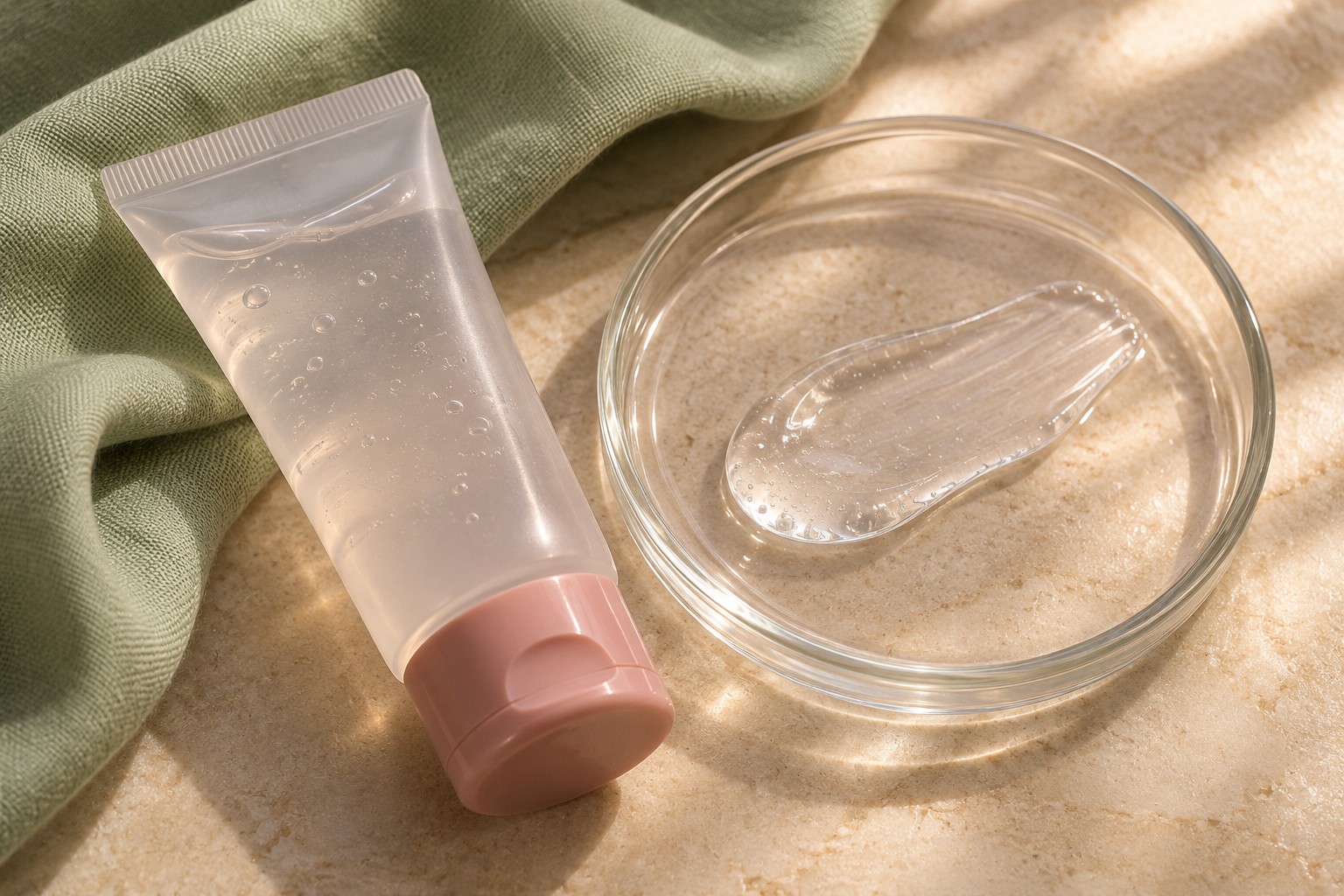
Sometimes: a small amount of water can restore glide to a water-based lubricant already being used, if that formula’s directions allow it. That is different from pouring water into the container to thin the remaining product. Keep the stored formula unchanged, and reapply lubricant as directed if you are unsure.
For adult women using lubricant with a toy or partner, the practical question is whether the current layer needs refreshing, the formula is a poor match for your preferences, or the change needs attention rather than another application.
What “Reactivate” Means on a Lubricant Label
Water-based lubricant can become less slippery during use. University of Texas at Austin’s lubricant guide notes that it may be absorbed quickly, need reapplication and sometimes feel sticky. This does not establish how long your particular formula should last.
Some makers explicitly offer two options when glide decreases. SENSA’s water-based lubricant directions say to add more product or a few drops of water. Alberta Health Services also describes reapplication or reactivation of water-based lubricant. These are useful examples of what to look for, not permission to apply one bottle’s directions to every formula.
Read the actual instructions before trying this. A name containing “water” is not the whole ingredient list, and a hybrid formula is not simply interchangeable with a water-based formulation without silicone. If the label does not explain rewetting, using more of the same compatible lubricant as directed is the simpler option.
Refresh the Portion, Leave the Container Alone
Pause when glide fades rather than continuing through unwanted friction. If the instructions permit water, use the small amount they describe on the portion being used—not inside the original bottle or tube. Do not turn that advice into a homemade dilution recipe, prepare a watered-down batch for later, or return dispensed product to the container.
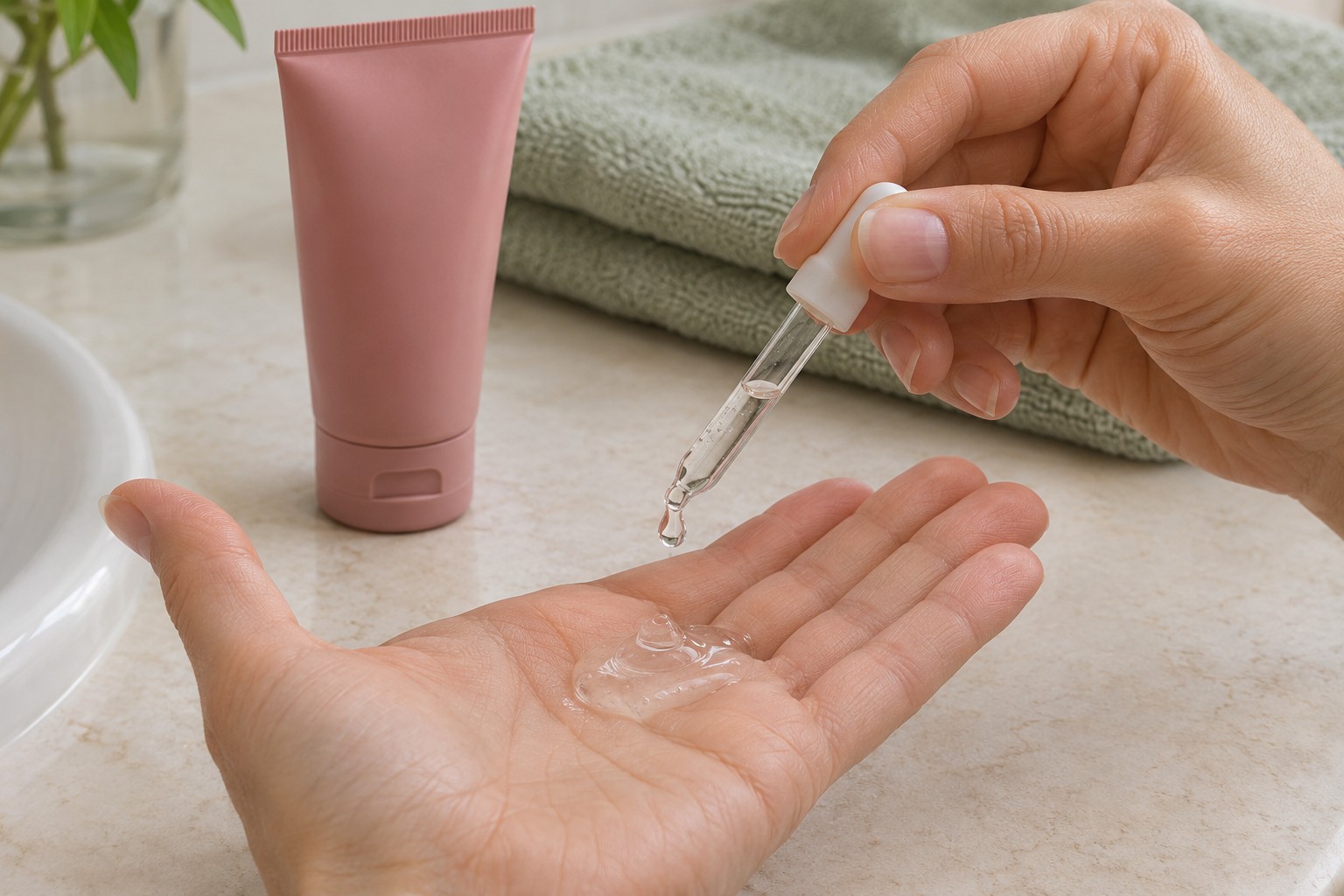
The important distinction is where the water goes. A little water used with a permitted application is not evidence that a stored, diluted mixture will retain the original product’s shelf life or instructions. There is no universal water-to-lubricant ratio to use at home.
The FDA’s guidance on microbial contamination in cosmetics explains a general preservation concern: adding water can introduce microorganisms and dilute preservatives. That guidance concerns cosmetics, not a classification or test of your lubricant. The practical takeaway here is to leave the supplied formulation intact rather than assuming that water is a harmless bottle top-up.
Keep water away from a toy’s charging connection or other areas its instructions say must stay dry. A water-based lubricant does not make the device waterproof, and a rewetting instruction is not permission to rinse or immerse it.
Know When This Is the Wrong Fix
Rewetting only addresses fading glide. It is not a way to revive an expired bottle, repair a changed toy surface or treat irritation. Stop using a lubricant that causes irritation; SENSA’s directions make this distinction explicitly.
- A change inside the container: check the expiry and opening window, storage history and manufacturer guidance. Do not dilute an unexpectedly thickened or changed bottle back to its old appearance. Our lubricant expiry guide covers those checks.
- A toy stays tacky after its permitted cleaning and drying: set it aside and follow the changed-surface guide rather than hiding the change under fresh gel.
- Persistent dryness or discomfort: leave product troubleshooting aside. The NHS advises medical assessment when vaginal dryness lasts a few weeks despite self-care, affects daily life, or is accompanied by unusual discharge or bleeding. This guide cannot identify the cause.
If Reapplication Keeps Interrupting You
You do not have to keep a texture you dislike. Before buying another large bottle, consider a smaller size or a sample; Alberta Health Services recommends this approach when choosing lubricant. Compare intended use, the feel you want and the instructions, rather than treating “long-lasting” as a measured number of minutes.
Keep two buying questions separate: how easily can you refresh the lubricant, and is it compatible with everything it will touch? A different base may change both. Moving to silicone is not automatically the right answer for a silicone-surface toy, and adding oil to an existing formula is not a substitute for choosing a documented compatible product.
Use our lubricant and product compatibility guide before switching. When comparing toys in the current product collection, look for the exact model’s material and care instructions—not just a general “toy-friendly” claim on the lubricant.
A useful outcome may be as simple as keeping the compatible bottle within reach and refreshing it as instructed. If that routine does not suit you, choose another documented pairing rather than changing the contents of the bottle yourself.