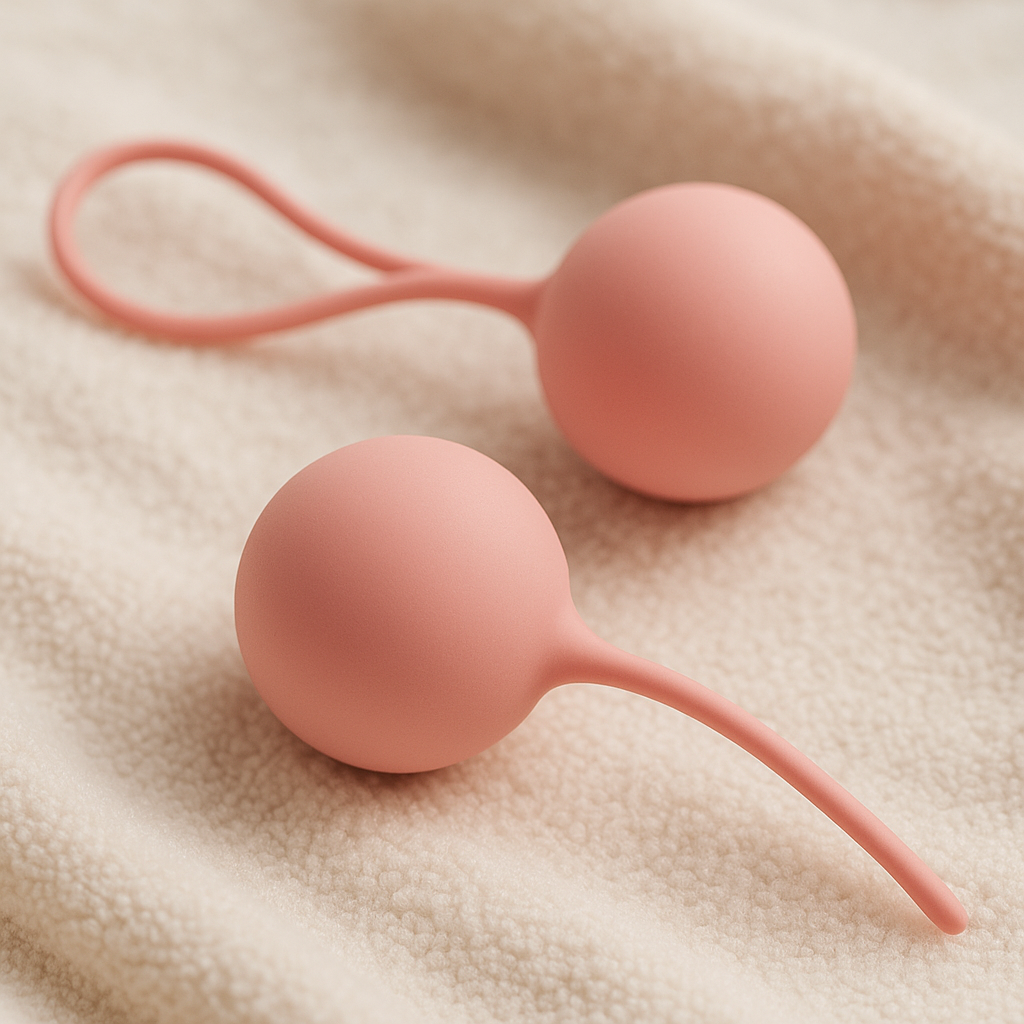
Silicone, TPE and glass can produce very different adult products, even when the shapes look similar. Material affects flexibility, surface finish, weight and the care a product needs. Understanding those differences helps you read a listing more carefully and choose an item that suits your priorities. Start with the exact product description, then compare the practical details below.
Look Beyond the Material Name
A material label is useful, but it does not describe the complete product. A vibrator may combine a silicone outer surface with a plastic handle, seals, adhesives and electronic components. A non-powered item may have a coating or several layers. Ask which parts are made from the named material and whether the manufacturer provides care instructions for the finished design.
Terms such as “premium,” “body-safe” and “medical-grade” should not replace specific information about a product. If a listing makes a testing or certification claim, look for the standard, the product it covers and the supporting documentation. Price, appearance and a material name alone cannot establish that an item is suitable for you.
Silicone: Compare Flexibility and Construction
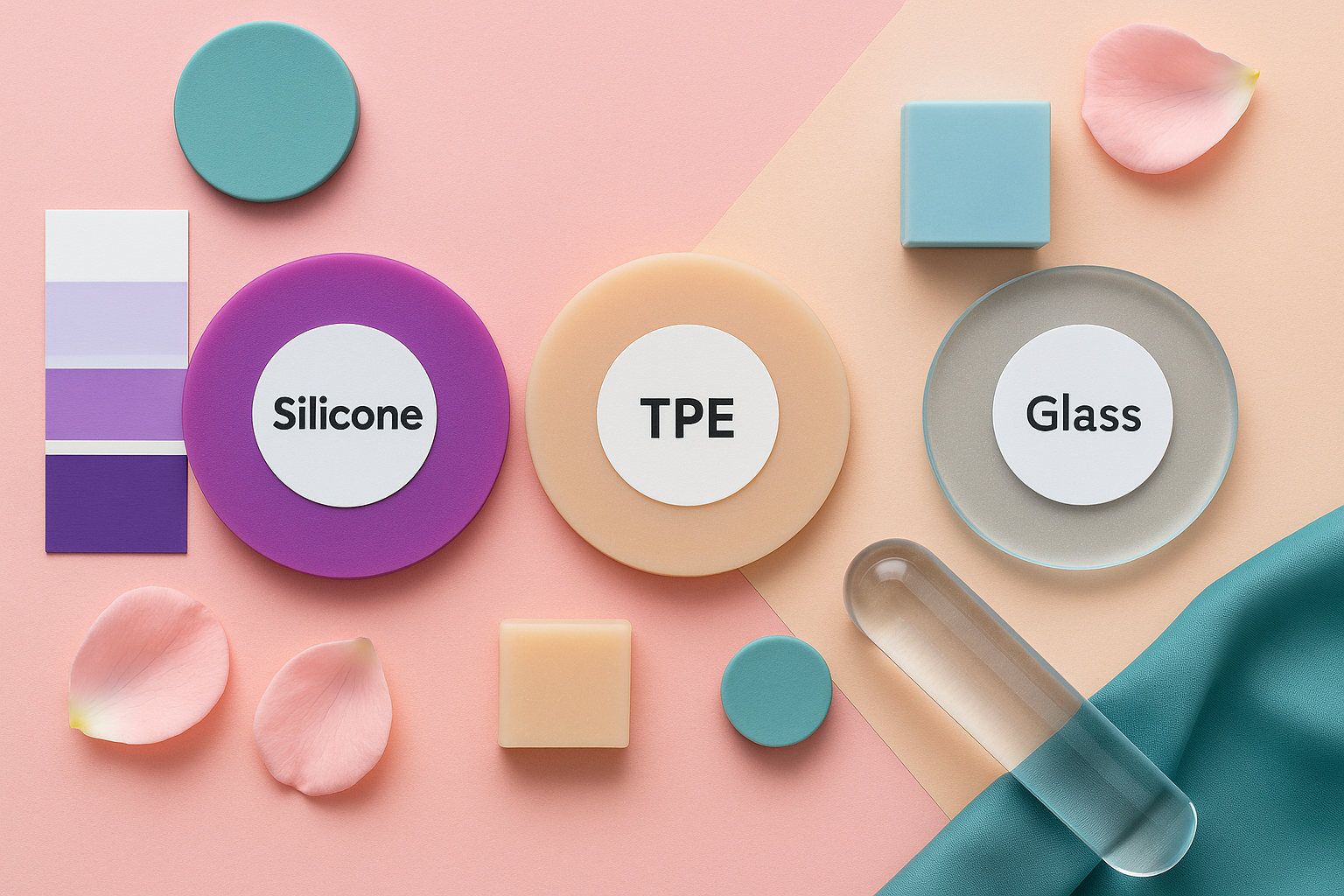
Silicone products come in a range of shapes, textures and firmness levels. Some designs are flexible throughout; others have a softer exterior over a firmer core or powered housing. Two items described as silicone can therefore feel quite different when held. Look for information about flexibility and construction instead of treating the material name as a promise of softness.
Compare the surface, seams and accessible controls. A smooth design and a deeply textured one may need different attention during cleaning. If the product has a motor, its water-exposure limits depend on the finished construction, not just the outer material. A silicone covering does not mean the device can be immersed, boiled or put in a dishwasher.
For lubricant and cleaner compatibility, follow the directions for both products. If the manufacturer has not explained what can be used with the surface, ask before choosing an accessory. Avoid applying care advice from a non-powered silicone item to an electronic device.
TPE: Check the Specific Formulation and Care
TPE stands for thermoplastic elastomer, a broad material category used in soft, flexible products. The abbreviation does not specify one fixed formulation. Look for the manufacturer's description of the exact item, including any removable sleeves, surface treatments and restrictions on cleaners or lubricants.
Softness can be a reason to consider a product, but it is only one part of the decision. Think about whether its shape is easy to handle, whether all the areas that require cleaning are accessible, and whether you have a practical way to dry and store it as directed. These questions matter particularly for designs with recesses or removable parts.
Do not apply powders, oils or household treatments simply because another soft product recommends them. Likewise, do not assume that a cleaning method described for silicone or glass is appropriate for TPE. If instructions are vague or unavailable, clarify them before buying rather than improvising afterward.
Glass: Consider Rigidity, Weight and Handling
Glass designs are rigid rather than flexible. That makes the precise shape, widest point and weight important comparison details. A similar outline in a softer material may handle differently, so it is worth reviewing the measurements and grip rather than choosing from a photograph alone.
Confirm that the item is designed for its stated adult-product use. Decorative glass, kitchenware and other household objects are not substitutes. Check the manufacturer's description of the glass and any coatings, along with its instructions for handling, cleaning and storage. A familiar material name should not be taken as evidence that a product is unbreakable.
Inspect the entire accessible surface for chips, cracks or rough areas before use. Set aside an item with damage and contact the manufacturer; do not try to smooth or repair it for continued use. Store it so it cannot knock against other hard items. Avoid unapproved heating, cooling or cleaning methods.
Make Care Part of the Purchase Decision
The most useful care routine is one you can follow consistently. Before ordering, find out whether the exact model permits washing, rinsing, wiping or immersion. Check attachments and charging accessories separately. Our cleaning and storage guide explains how to organize those details.
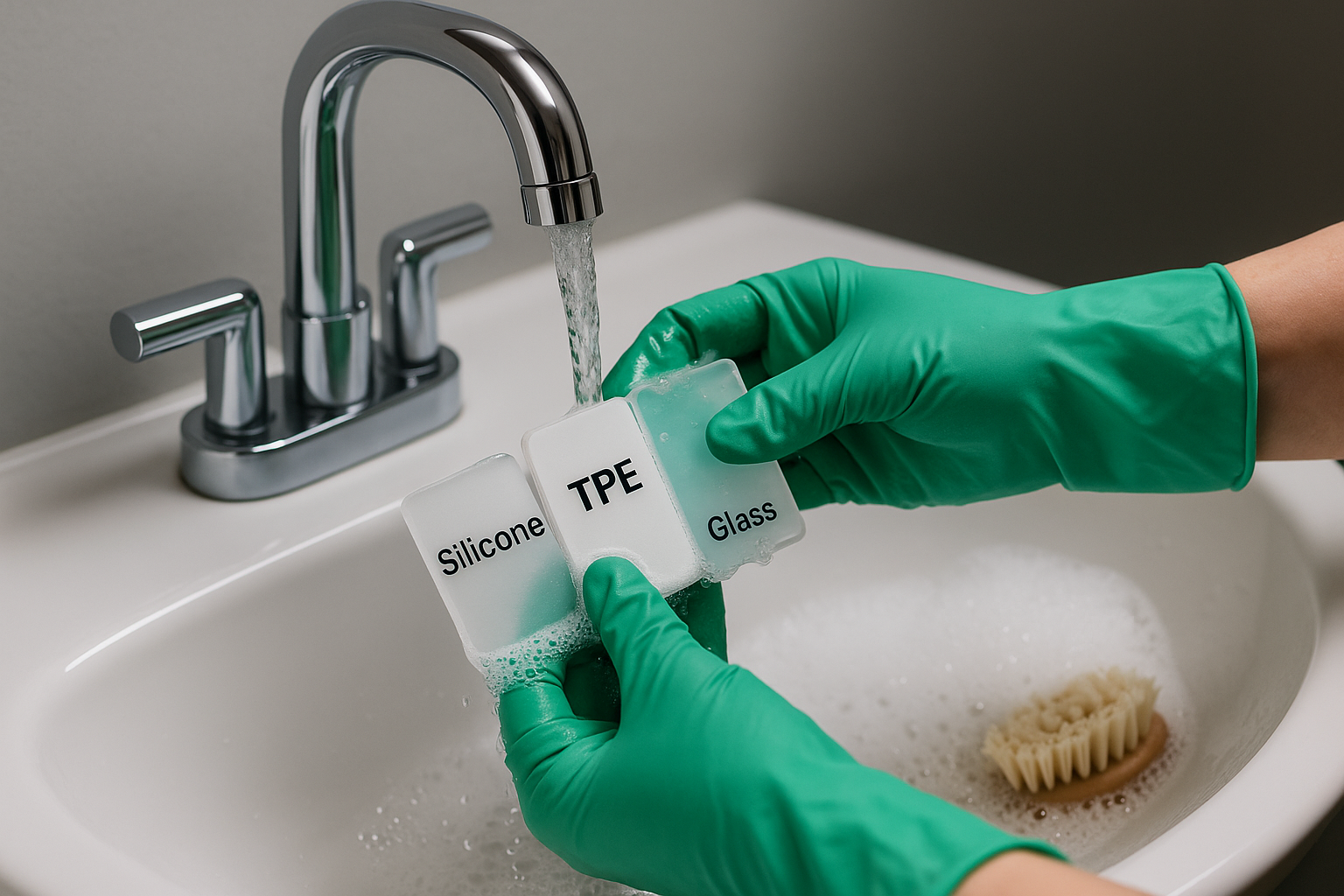
Cleaning and sterilization are different processes. A household wash should not be described as sterilizing a product. Do not boil an item, use a dishwasher or apply strong chemicals unless its own instructions expressly permit that method. Let the product dry as directed before storage or charging.
Compare Value Without Predicting a Lifespan
No material name gives a reliable replacement date. The finished construction, handling, electronics and condition all matter. Check the surface and working parts regularly, and stop using an item if it develops damage or a change you cannot explain. Ask the manufacturer about the next step rather than relying on an online claim that a material lasts a certain number of years.
For cost, compare current listings with similar functions and dimensions. Include any required accessories and review the warranty and return conditions. A lower price may suit your budget, and a higher price may include features you value; neither answers the material questions by itself.
Your Material-Selection Checklist
- Composition: identify the stated material for each relevant part.
- Construction: compare flexibility, surface, weight, seams and grip.
- Purpose: confirm the manufacturer's intended use and dimensions.
- Care: check permitted cleaning, drying, lubricant and storage methods.
- Support: read the warranty, returns terms and available contact details.
Choose from clear, model-specific information and your own practical priorities. If you are still deciding on a shape or function, continue with our first-vibrator guide or compare the main vibrator types.