Pelvic floor health is about support, control and comfort. Questions about Kegels or weighted devices often begin with a simple concern: is this right for my body? A useful answer starts with understanding the muscles and, when symptoms are present, getting an individual assessment. A product label cannot tell you whether you need strengthening, relaxation or a different kind of care.
What the Pelvic Floor Does
The pelvic floor is a group of muscles and supporting tissues at the base of the pelvis. It helps support the pelvic organs and contributes to bladder and bowel control. Cambridge University Hospitals explains its supporting and continence functions, and describes how pregnancy, childbirth and other changes can affect it.
Understanding those functions gives pelvic health a broader meaning than the appearance or perceived tightness of the vagina. Useful goals might include greater comfort, fewer interruptions to everyday activities or getting help with a symptom you have been tolerating. There is no need to frame your body as something that must be corrected for a partner.
Strength and Relaxation Both Matter
Pelvic floor problems do not all have the same cause. The muscles can be weak, overly tense or poorly coordinated. St George's NHS guidance on muscle overactivity explains that muscles need to relax as well as contract, and that excessive exercise without enough relaxation can contribute to overactivity. Some people need help with tension before a strengthening programme is appropriate.
That is why an online checklist of symptoms cannot tell you which exercise to do. Leakage, pain or a feeling of pressure deserves a conversation about what is happening, rather than an assumption that more squeezing must be the answer. Avoid judging your progress by someone else's routine or by a device's resistance level.
Where Kegel Exercises Fit
Kegel exercises are a form of pelvic floor muscle training. They may be part of care for particular problems, but a general article cannot prescribe the right programme for an individual. The NHS information on urinary incontinence treatment describes specialist assessment of muscle contraction before a training programme is tailored.
If a clinician recommends exercises, ask them to check your technique and explain the intended goal. Make sure you understand the amount of practice, the rest between efforts and the symptoms that should prompt you to stop or contact them. A written plan can be easier to follow than remembering several instructions from an appointment.
More effort, longer sessions or faster progression are not useful goals by themselves. Follow the plan you were given and raise any uncertainty at review. This guide intentionally does not provide a universal repetition count, holding time or progression schedule.
Understand Devices Before Considering One
Products called Kegel balls, vaginal weights or pelvic floor trainers are marketed in different shapes and with different features. Some are weighted; others add electronic feedback or an app. Those differences do not establish that a product is appropriate for a health concern, and a commercial wellness description is not a personal treatment recommendation.
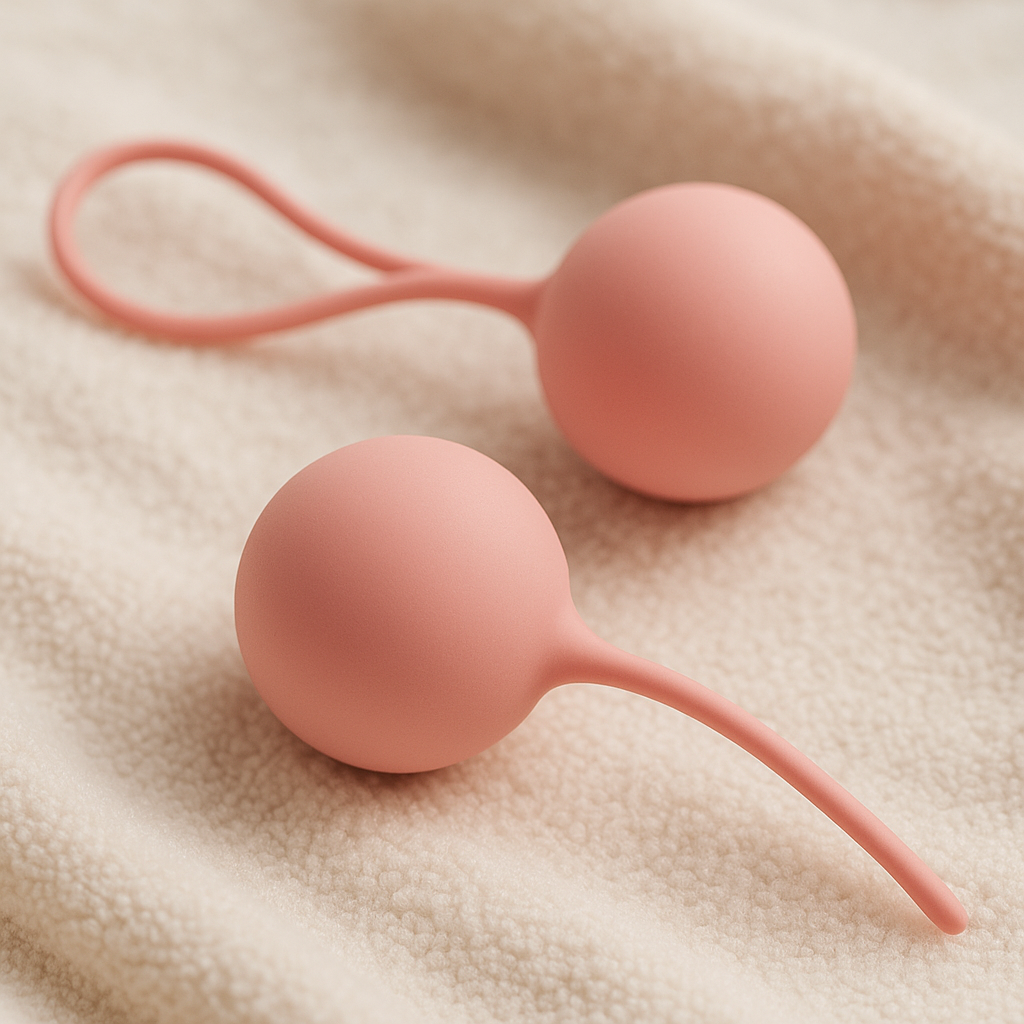
If you are considering an internal weighted device, ask a pelvic-health clinician whether one has a role in your care before buying or using it. This is particularly important when you have pain, bladder or bowel symptoms, are pregnant, have recently given birth or are recovering from pelvic surgery. A product review cannot substitute for that assessment.
Questions worth bringing include: What problem are we addressing? Would a device add anything to the plan? What alternatives are available? If a specific device is recommended, what instructions and follow-up apply to me? There is no requirement to purchase something to take pelvic health seriously.
Make Room for Postpartum Recovery
After birth, practical recovery and body confidence can be closely connected. You may be balancing physical changes with tiredness and new responsibilities. Avoid using a product timetable or someone else's experience as a deadline for recovery, exercise or sexual activity.
Tell your maternity or primary-care team about leakage, heaviness, discomfort or concerns about healing. Describe what affects daily life and what you hope to return to. Ask what is appropriate at your current stage and whether pelvic-health physiotherapy would be useful. These are reasonable subjects for postnatal care.
Prepare for a Helpful Appointment
King's College Hospital's pelvic-health service treats concerns including weakness, overactivity, persistent pelvic pain, continence problems and prolapse. A short symptom note can help you explain what you have noticed without having to remember everything on the spot.
- Write down when the concern began and whether it is changing.
- Describe its effect on movement, sleep, toileting or intimacy.
- List relevant treatment, surgery and any exercises or devices you have tried.
- Bring the actual product instructions if you want advice about a device.
- Ask what to do next and when the plan should be reviewed.
If a device causes pain, stop using it and seek advice rather than increasing the intensity or duration. For general ownership questions, our care and cleaning guide explains why instructions must match the exact product. Pelvic health decisions deserve that same individual attention.
This article provides general health information, not a diagnosis or exercise prescription. A qualified healthcare professional can assess symptoms and recommend care for your circumstances.