If you have a diagnosed latex allergy, avoid products made with natural rubber latex and confirm the materials of the exact toy and any accessories before buying. Do not assume that “silicone,” “body-safe” or “phthalate-free” settles the question for the complete item. Check any condom separately, too. A product with missing information is a reason to wait for an answer, not to try it and see.
This guide helps you ask better purchasing questions. It cannot establish that a particular toy is suitable for your allergy or replace your clinician’s advice.
Know Your Diagnosed Allergen
ASCIA explains that natural rubber latex comes from the rubber tree and contains proteins that can cause allergic reactions. Synthetic rubber does not contain those latex proteins. However, a reaction to chemicals added during rubber manufacture is a different concern from an immediate allergy to natural rubber proteins.
Allergy UK notes that some rubber chemicals can also occur in synthetic rubber. If your clinician has identified a particular contact allergen, use its name when asking a manufacturer about ingredients. “Not natural latex” may not answer that more specific question.
If you only suspect an allergy after itching or irritation, do not diagnose the cause from the material listed online. Stop using the item and discuss the symptoms with a healthcare professional. Keep the packaging and note the toy, lubricant and any barrier involved.
Read the Material Name as a Starting Point
A listing might name the main silicone surface without describing a removable sleeve, flexible attachment, strap, coating or other part. Ask which components the statement covers. Do not infer the answer for a bundle from the description of its main item, or for a replacement attachment from the original device.
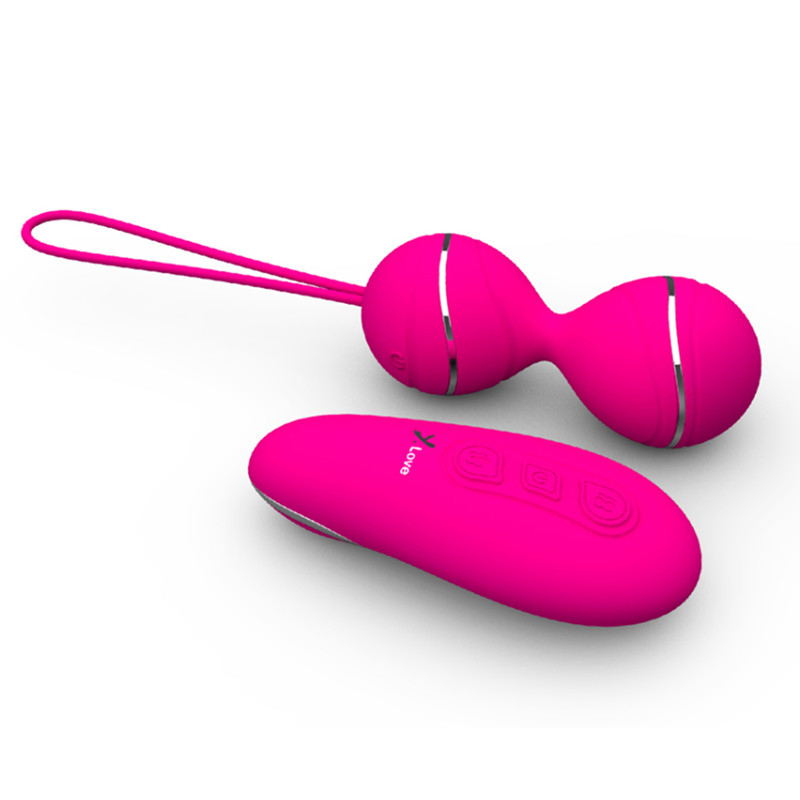
For example, the Pulse PL5K92 set has a separate handheld controller and an egg with a retrieval loop. Its listing names silicone and ABS. The photograph helps you identify the separate pieces to ask about; that general material description is not confirmation that natural rubber latex was excluded from every part. This is a component-checking example, not an allergy-safe recommendation.
Color, shine and softness cannot identify a product’s composition. Two surfaces can look similar while leaving the same important question unanswered: what did the manufacturer use? The words “rubber,” “jelly” and “realistic feel” are not a sufficiently specific answer to a latex-allergy question.
Likewise, “phthalate-free” concerns a different substance group; it is not a natural-rubber-latex declaration. Our guide to material claims explains why separate claims need separate evidence.
For medical products, the FDA’s labeling guidance distinguishes saying natural rubber latex was not used in manufacture from promising the complete absence of latex allergens. Its scope is medical-product labeling, not a certification scheme for every sex toy. The useful buying lesson is to ask what a claim covers rather than treating “latex-free” as a guarantee that no reaction is possible.
Ask One Specific Question, Then Check the Reply
Give the seller or manufacturer the exact model and version, plus the accessory names. You can ask: “Was natural rubber latex used to make this model or any of its included or optional body-contact parts? Please identify the material for each relevant part and tell me what your statement covers.”
If a specific rubber chemical is your diagnosed allergen, add a separate question about that chemical. You do not need to send your full medical history to explain which material information you need.
- A useful reply identifies your exact model and addresses the parts you asked about, rather than simply repeating “premium materials.”
- A partial reply only names the main surface. Follow up on the unanswered attachment or accessory before treating the answer as complete.
- A vague reply says “hypoallergenic” or “safe for sensitive skin” without the relevant material information. That leaves the original question unresolved.
Save the reply alongside the product details. Check it again if you switch versions, buy a different attachment or receive packaging that contradicts the listing. A written answer is a purchasing record, not a medical guarantee.
A Condom Is a Separate Material Decision
General advice to put a condom over a toy needs an extra check when you have a latex allergy. The NHS advises against latex condoms for people with a latex allergy and says the packet identifies the material. Do not add a latex barrier to an otherwise suitable product.
Nor should you assume that a non-latex condom makes a toy of unknown composition suitable for you. It does not resolve your questions about the underlying item or its other contact parts. Ask your clinician about your allergy needs and follow the exact toy and barrier instructions.
Check the lubricant as well: approval for one toy material does not automatically establish compatibility with a condom, or individual tolerance. Our lubricant compatibility guide explains how to read those instructions together.
Do Not Use Your Body as the Test
Do not deliberately rub an uncertain product on your skin or use it briefly to test for a latex allergy. Allergy assessment belongs with a qualified clinician, not a home trial of a newly purchased item.
Stop if use causes symptoms. Breathing difficulty, throat or tongue swelling, or faintness after exposure can signal a severe allergic reaction: seek emergency medical help immediately and follow your prescribed allergy action plan, including an epinephrine/adrenaline auto-injector if you have one. Less severe or recurring symptoms also deserve medical advice before trying the item again. See the NHS guidance on anaphylaxis for warning signs and emergency steps.
When comparing current product listings, keep the material questions ahead of features or price. No product in this guide is being recommended as allergy-safe. Choose only after the relevant information is clear and consistent with your personal medical advice.