Material information is an important part of choosing an adult product. Labels such as “phthalate-free,” “non-toxic” and “body-safe” can sound reassuring, but they need context. A more useful approach is to identify the exact product, understand what each claim means and ask for supporting information where it matters. You do not need to become a chemist to ask clear questions before buying.
What Are Phthalates?
Phthalates are a family of chemicals used for several purposes, including making some plastics more flexible. They are often described as plasticizers. The name covers multiple compounds rather than one ingredient with a single set of properties. Some are used in flexible vinyl and other consumer-product applications.
The National Institute of Environmental Health Sciences includes phthalates in its information about endocrine-disrupting chemicals, which can interfere with hormone systems. This is a reason to take product disclosures seriously. It does not establish the composition of an individual adult product or demonstrate that using a particular item will cause an illness.
Health effects depend on the specific substance and the circumstances of exposure, including amount, duration and route. A general article cannot calculate those factors for a product you own. Avoid turning a broad concern about a chemical family into either a guarantee of harm or a promise that another material is risk-free.
Read “Phthalate-Free” as a Specific Claim
A phthalate-free label addresses a particular group of chemicals. It does not describe every ingredient, coating, adhesive or component in the finished product. It also does not explain whether the shape suits its intended use, how it should be cleaned or whether a powered device can be immersed.
If the claim is important to your purchase, ask which substances were assessed and what evidence supports the wording. Find out whether it applies to the finished item, an outer layer or a raw material. A statement about one component should not quietly become a statement about the entire product.
Similarly, “BPA-free,” “latex-free” and “phthalate-free” answer different questions. One label does not establish the others. If you have a known allergy or a specific medical concern, ask about the relevant material and discuss suitability with a qualified healthcare professional.
Ask What “Body-Safe” and “Medical-Grade” Mean Here
Do not treat a reassuring phrase as a complete product specification. Ask what the seller means by it, which parts it describes and what documentation is available. If a standard, laboratory test or certification is mentioned, the useful details are the standard name, exact model, relevant result and scope.
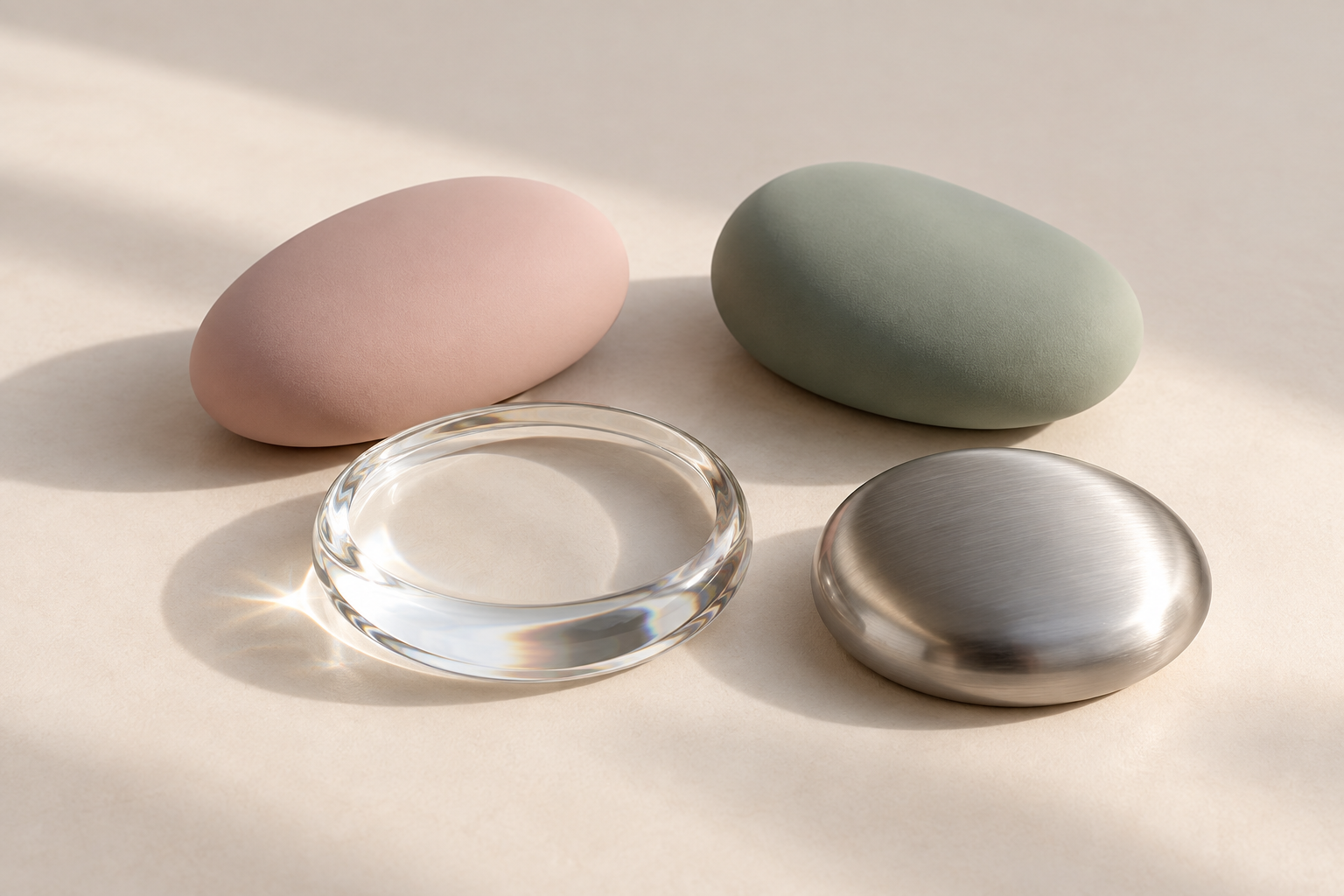
Material names also need precision. “Silicone” does not explain whether the item has a rigid internal housing, a coating or other materials at its seams. “Metal” does not identify an alloy or surface finish. “Glass” does not establish how a particular item was made or inspected. Clear descriptions let you compare products without assuming that appearance verifies composition.
A broad material category is a starting point for questions. The finished construction, intended use and care instructions belong in the same decision.
Look for Evidence That Matches the Product
When a seller refers to testing, check whether the information actually matches the item you are considering. A generic certificate image may be difficult to interpret without the product identity, test scope and date. Ask for clarification rather than trying to fill in missing details yourself.
- Product identity: does the document name the exact model or clearly defined material component?
- Testing scope: which substances or properties were assessed?
- Method and result: does it explain the method, relevant limits and what was found?
- Issuer and date: can you identify who issued it and when?
- Relevance: does the evidence support the claim being made, rather than a different feature?
A test concerning electrical performance, water exposure or packaging should not be treated as a chemical-composition result. Likewise, evidence about a raw material does not automatically answer every question about the assembled item. If important information remains unclear, it is reasonable to choose a product with more complete documentation.
Do Not Use Smell or Home Tests as Certification
A product's color, softness, smell or price cannot confirm that it contains or excludes a particular chemical. Do not use a flame test, solvent test or another destructive home experiment to identify its composition. These methods can damage the item and do not provide the product-specific documentation you need.
An unexpected residue, persistent odor or surface change is still a reason to pause and ask the manufacturer about the item's condition. The important distinction is between noticing a concern and diagnosing its chemical cause. Set aside an item you are uncertain about rather than assuming that washing, airing it out or covering it resolves an unexplained problem.
Keep Care and Condition in the Picture
Material disclosure is one part of responsible product selection. Read the cleaning, drying, storage and lubricant instructions for the exact model as well. Do not assume that boiling, bleach, alcohol or a dishwasher is permitted because a product is described as silicone, glass or metal.
Inspect the product for damage and changes before use. If it develops cracks, chips, a damaged coating or a concerning change in operation, stop using it and contact support. If use causes pain or irritation, stop; seek medical advice if symptoms persist or you are concerned. A material label cannot diagnose the cause of a symptom.
Our cleaning and maintenance guide helps you build a routine around the manufacturer's instructions rather than a universal cleaning recipe.
A Practical Question Before You Buy
Try asking: “What materials are used in the parts of this model that contact the body, what supports its phthalate-free or other material claims, and where can I find the care and compatibility instructions?” That is specific enough to produce a useful answer without assuming the result.
Keep the reply, manual and purchase information together. Review the return conditions before opening packaging if you are still deciding. Clear information about the item, supported claims and understandable care instructions are a sound basis for comparison. For the broader buying decision, continue with our first-vibrator guide.