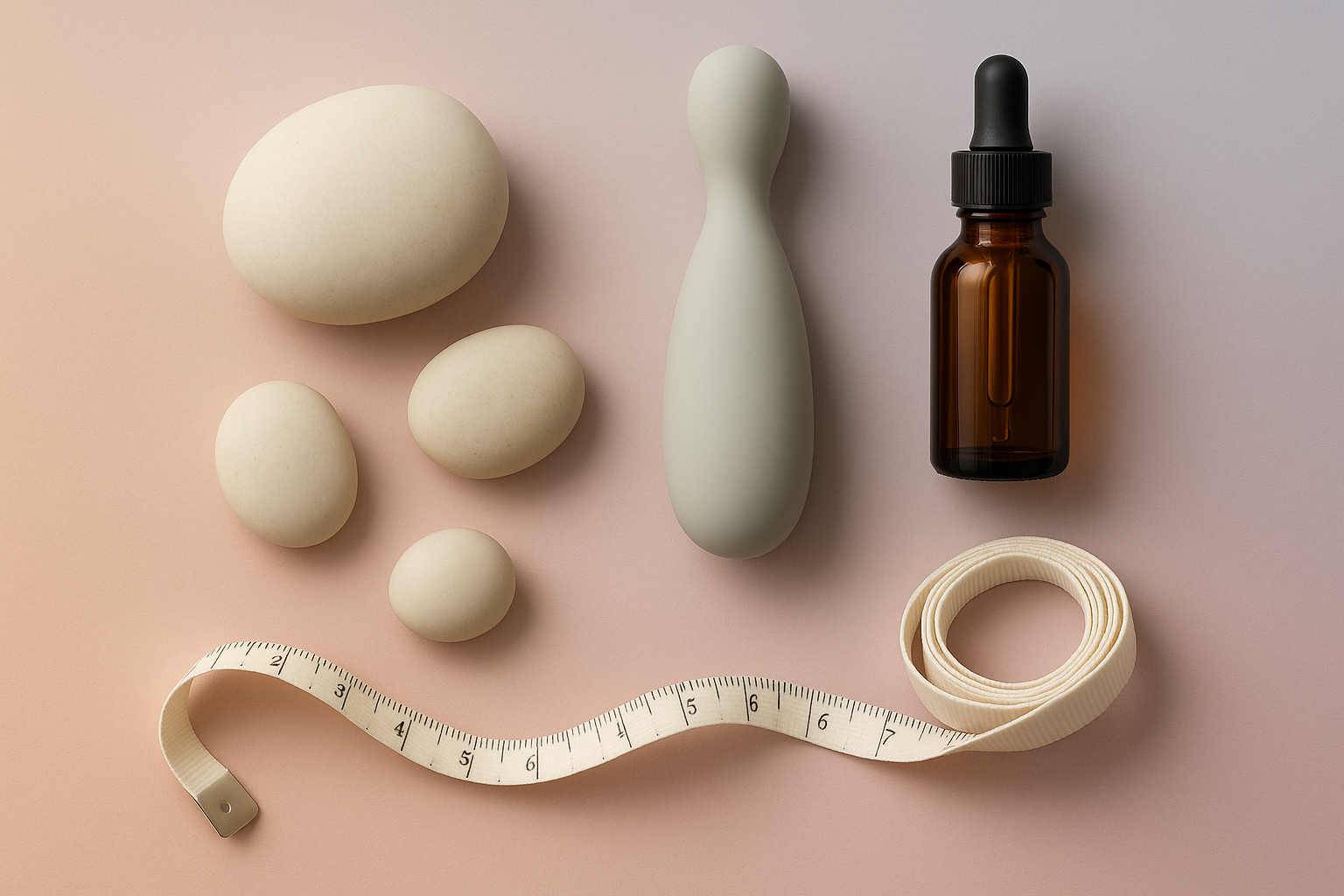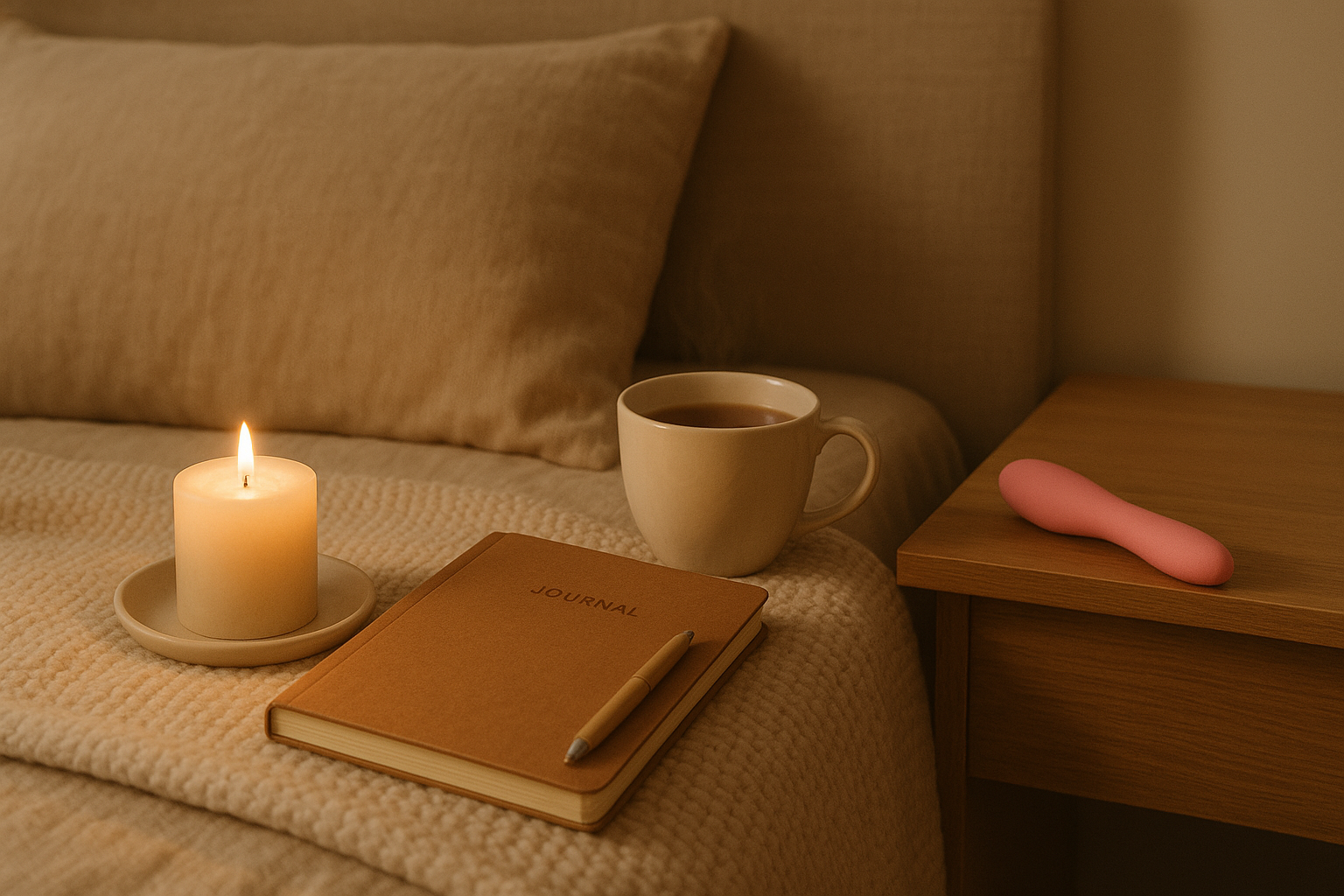
Self-care can include rest, movement, time with other people and activities you enjoy. For some adults, sexual wellbeing also belongs in that picture. It is a personal choice, and it does not require a purchase, an orgasm or a particular routine. The useful question is what supports your comfort and wellbeing without becoming another expectation to meet.
Build a Broad Self-Care Routine
The National Institute of Mental Health's self-care guidance highlights regular movement, meals, hydration, sleep, relaxing activities, manageable priorities and connection with supportive people. Small steps can be worthwhile, and the activities that suit one person may not suit another.
Start with what is realistically available to you. A short break, a quiet meal or asking for help with a task may matter more than creating an elaborate evening ritual. You do not need a perfectly styled room or a collection of wellness products before your needs deserve attention.
It can help to distinguish an immediate pause from a recurring source of strain. A calming activity may make a difficult evening more manageable, while a workload problem or ongoing lack of support may call for a separate conversation. Leave space for both kinds of care.

Sexual Wellbeing Is Optional and Personal
Some adults find masturbation enjoyable or relaxing; others are not interested. Planned Parenthood's health information recognises variation in how often people masturbate, including choosing not to. There is no schedule you need to follow to demonstrate confidence or a positive relationship with your body.
A respectful approach makes room for curiosity as well as a clear no. It also allows preferences to change. What felt appealing previously may not suit your energy, circumstances or wishes today. You can decide privately, without explaining or defending that choice to a partner or retailer.
Our sexual health and self-love guide explores how informed choice and boundaries can sit alongside a less judgemental conversation about adult products.
Keep Relaxation Separate from Treatment Claims
A pleasant activity is not a guaranteed treatment for anxiety, depression, insomnia or pain. Neither a vibrator nor an orgasm should be presented as a substitute for medical or mental-health care. Be cautious when marketing turns a possible personal benefit into a promise that a product will fix stress or change hormone levels.
You do not need to measure whether a private experience was sufficiently relaxing. If it becomes another task, obligation or source of frustration, you can leave it out. Self-care should accommodate your needs rather than require you to produce a specific feeling.
When reading an article, ask whether a claim concerns an everyday experience, research on a particular group or a clinically established treatment. Those are different kinds of information. An explanation involving brain chemicals does not, by itself, prove that a consumer device will deliver a health benefit for you.
If You Choose a Product, Focus on Practical Fit
You can be interested in an adult product without expecting it to improve your mental health. A considered purchase begins with ordinary product questions:
- Is the intended use clearly explained?
- Are the dimensions and controls easy to understand?
- Is the material information specific?
- Are cleaning, drying and charging instructions available?
- Does the total price fit a budget you are comfortable with?
- Do the delivery and return conditions meet your needs?
Our first-vibrator guide covers those checks. Do not assume that a term such as beginner-friendly, body-safe or therapeutic answers them. If important instructions are missing, ask for clarification before deciding.
Follow the exact model's instructions and stop if it causes pain or irritation. Our cleaning and storage guide explains why a routine must match the product's construction and water-exposure limits.
Protect Privacy and Choice
Think about privacy in the way that is useful to you: a place to store an item, access to a shared device, order notifications or who receives a parcel. These are practical considerations, not reasons to feel embarrassed. Our discreet shipping guide offers questions to ask before checkout.
If a partner is involved, discuss the idea without making it a test of openness or affection. Either person can decline, ask a question or change their mind. A gift, a previous agreement or a product already being in the room does not replace consent.
Know When More Support Would Help
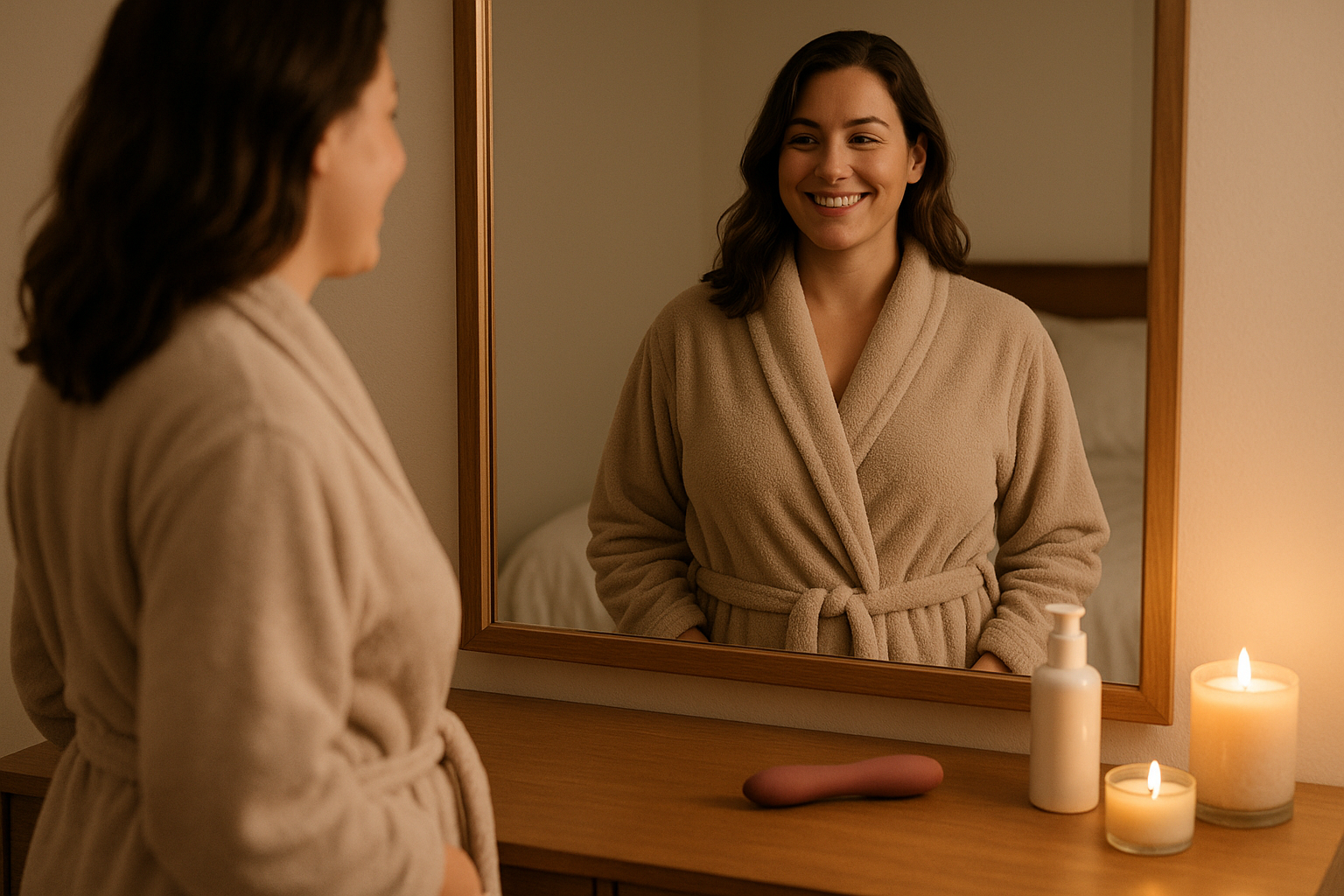
Pay attention to how stress affects everyday life. NIMH's guidance on stress and anxiety recommends professional help when symptoms interfere with daily life, lead to avoidance or seem persistent. You can begin with a primary-care clinician if you are unsure where to turn.
Keep a short note of what has changed and the support you have already tried. Asking for help does not mean you have failed at self-care. It makes room for a response suited to the problem rather than expecting a favourite activity or purchase to carry the whole burden.
A flexible routine can include enjoyment, quiet, company and professional support when needed. Adult products may be part of your choices, or they may have no place in them. Your wellbeing does not depend on buying one.
This article provides general wellbeing information and does not replace professional care for persistent stress, mental-health symptoms or pain.