
If you are considering an anal product for the first time, start with information, consent and the option to decide against it. Anal tissue can be injured, an object can become retained, and shared products can transmit infections. A label such as “beginner-friendly” does not remove those risks. This guide explains what to check before buying and when to seek medical care.
There Is No Requirement to Try It
Curiosity does not create an obligation. You can read about a product, buy one or discuss it with a partner and still decide not to use it. Previous agreement never removes the right to change your mind. Neither a partner’s expectations nor the cost of an item is a reason to continue with something unwanted.
Any discussion should leave everyone free to say no without pressure. Agree that discomfort, uncertainty or a request to stop will end the activity. Silence, freezing or difficulty responding should not be treated as agreement. Keep the ability to communicate and stop central to the decision, including when a product has remote controls.
Understand the Risks Before Comparing Products
The lining of the anal canal and rectum is delicate. Sexual Health Oxfordshire explains that friction and sharp surfaces can damage it. Lubricant can reduce friction, but it cannot make an unsuitable product appropriate or guarantee that injury will not occur.
A shopping guide cannot assess your personal health. Existing pain, bleeding, a recent injury or surgery, or an ongoing bowel or pelvic condition deserves individual advice from a clinician before considering an anal device. Do not use a retail product as treatment for a symptom or substitute a product review for medical guidance.
Check Intended Use and the External Base
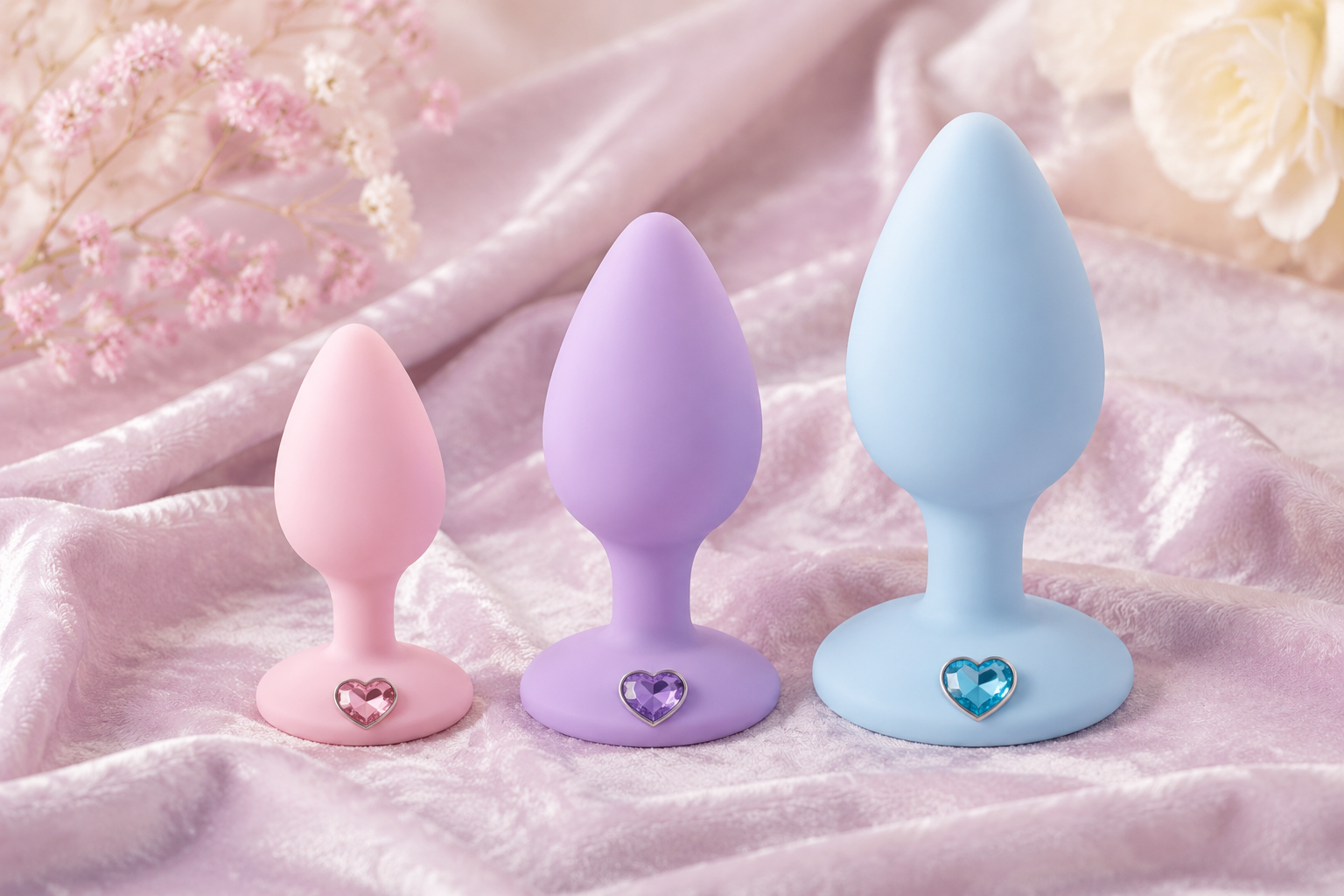
Look for an explicit statement that the exact product is designed for anal use, along with complete instructions. Appearance is insufficient. A narrow device, a handle or a suction feature does not by itself establish suitability.
The University of Rochester’s product-health guidance identifies a wide base as an important requirement for anal toys because a product without one can become stuck. The base is a risk-reduction feature, not a guarantee against retention or injury. Do not improvise with household objects or rely on an unexplained cord or decorative attachment.
Ask for the widest intended contact diameter, the relevant length, neck dimensions and base measurements. “Small” varies between brands. A photograph has no reliable scale, and a suggested beginner size cannot establish what is appropriate for an individual.
Look Beyond Material Labels
Request the identity of every contact material and the care instructions for the finished item. Terms such as “body-safe,” “premium” or “medical-grade” need supporting information; they do not tell you everything about coatings, seams, adhesives, electronics or quality control.
Inspect a product for cracks, chips, rough edges, loose parts and changes in its surface. Set aside damaged or deteriorating items. Do not infer that a material can tolerate boiling, strong chemicals or immersion, especially when a product contains a motor or battery. Our cleaning and storage guide explains how to keep care tied to the exact model.
Check Lubricant and Barrier Compatibility Separately
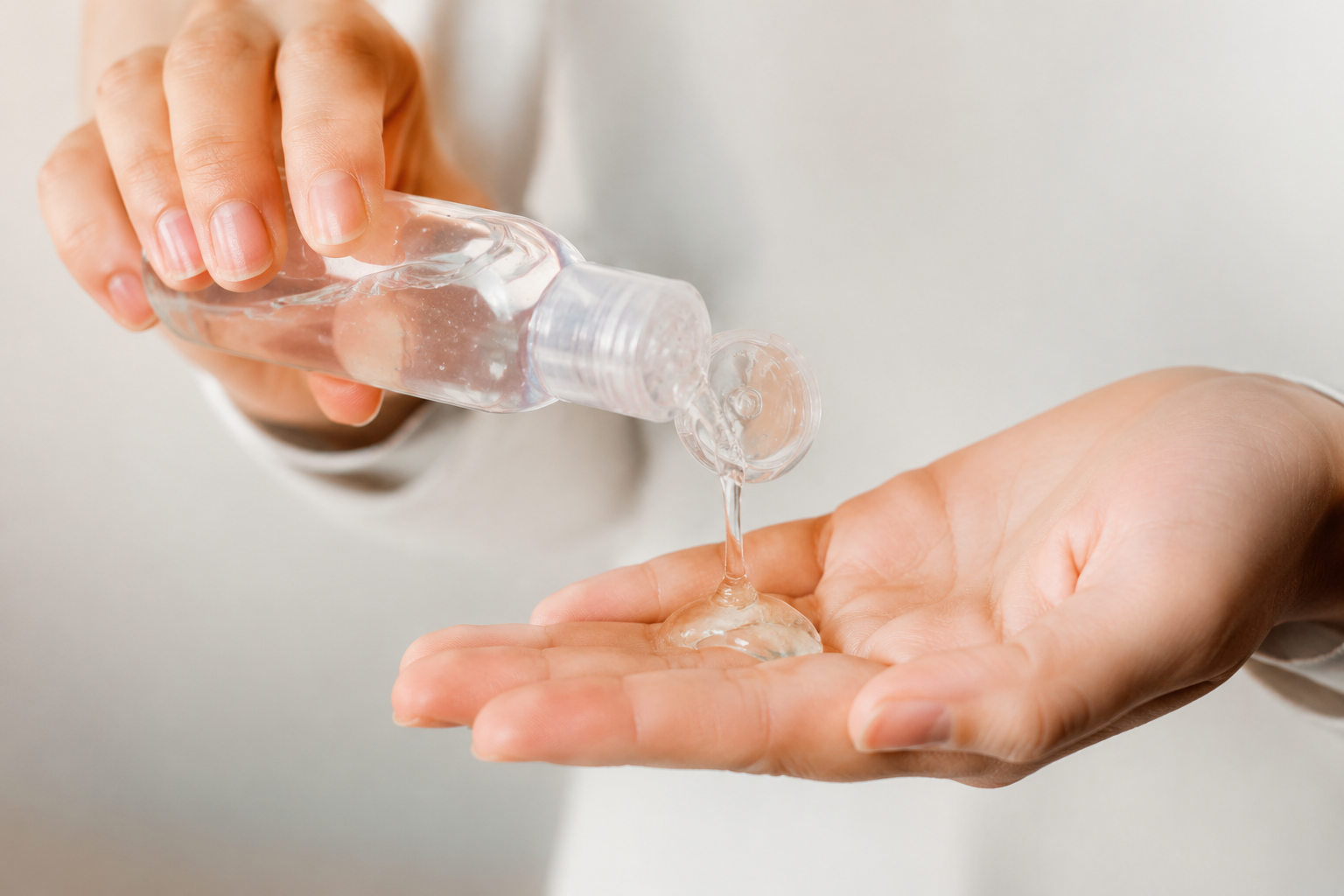
Read the toy instructions, lubricant label and any condom or barrier instructions together. A formula can be compatible with one part of that combination and conflict with another. If the instructions are missing or contradictory, pause and ask the manufacturer.
The NHS advises against oil-based lubricant with latex condoms. For a silicone-surface product, check its water-based lubricant recommendation and do not assume silicone-containing formulas are approved. A “natural” label does not establish compatibility or eliminate irritation risk.
Make Hygiene Part of the Purchase Decision
Choose only a product whose cleaning, drying and storage requirements you can follow. Ordinary washing is not sterilization. A condom does not repair a damaged surface or turn an unsuitable object into an anal product.
NHS sexual-health guidance from St Helens recommends cleaning toys according to their packaging and avoiding sharing them; if shared, a fresh condom is an additional precaution. Keep products used for different body areas separate, or follow the appropriate cleaning and barrier-changing guidance. These measures reduce risks without eliminating them.

Know When to Seek Help
Stop if there is pain, bleeding, numbness or another concerning change. Do not treat burning or pain as a milestone to work through, and do not use a numbing product to conceal warning signs.
NHS advice on anal pain calls for medical assessment of bleeding or significant or persistent pain. Severe pain with fever, or black or dark-red stool, needs urgent assessment. Heavy or continuous rectal bleeding requires emergency help.
If an object is stuck, go to an emergency department. Healthdirect advises that a medically trained person should remove it to limit further damage. Do not delay out of embarrassment or try improvised retrieval tools.
The most useful outcome of research is an informed choice, including choosing not to buy. Keep unanswered questions visible, use the current product listings for model-specific information, and return to the OMIREA Journal for general product literacy. This article is for adults and does not replace individual medical advice.