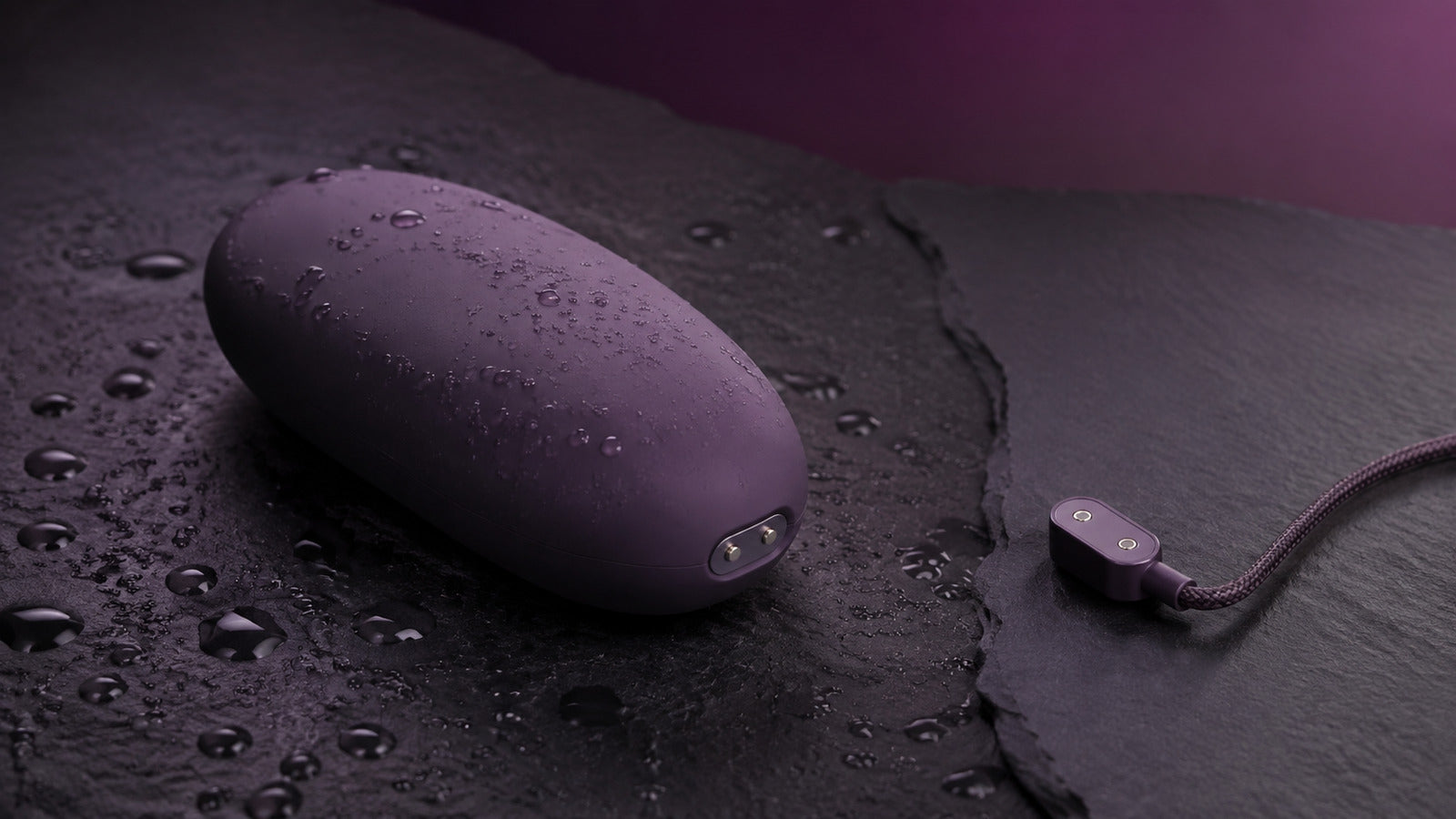
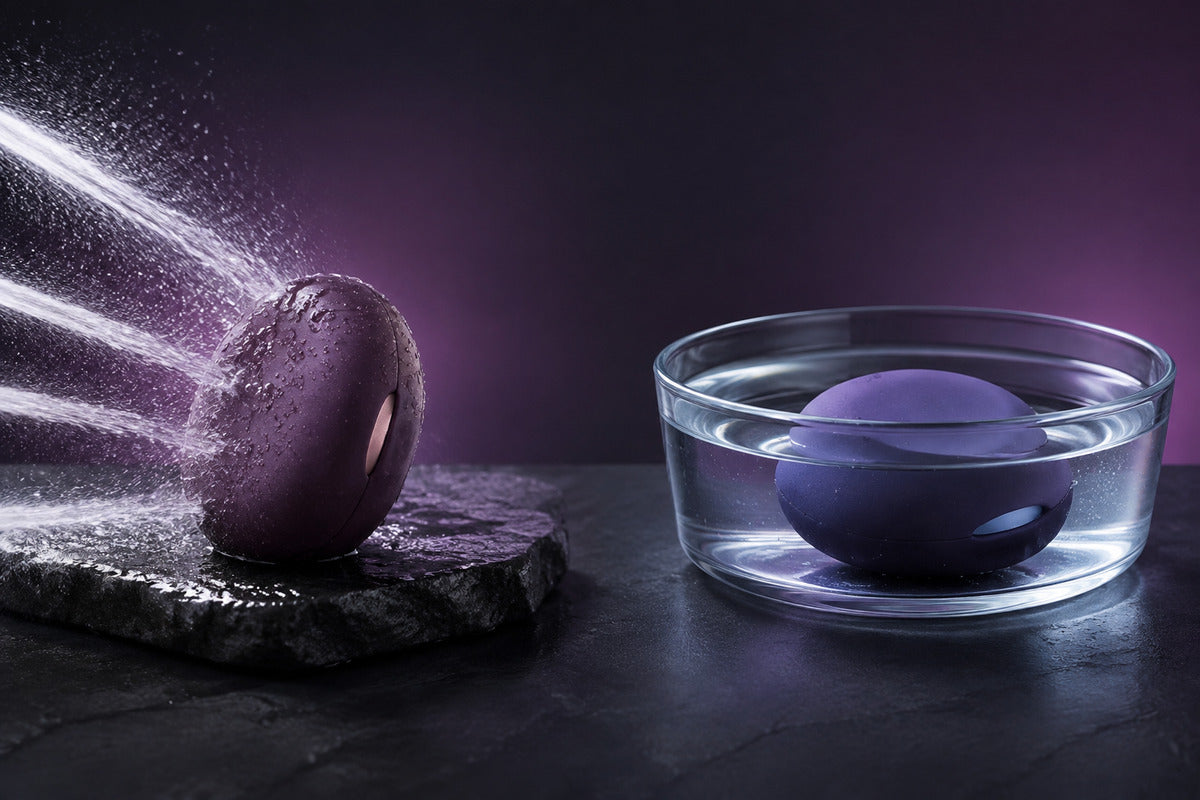
IPX6 and IPX7 describe different kinds of water-exposure testing. IPX6 concerns powerful water jets; IPX7 concerns temporary immersion under specified conditions. Neither code, on its own, answers every question about using or cleaning an adult product near water. The practical decision combines the rating with the instructions for the exact model and each accessory.
What the IP Code Tells You
The IP Code is described in IEC 60529, the standard for degrees of protection provided by electrical-equipment enclosures. It gives a structured way to describe protection against specified exposures. The first characteristic concerns access to hazardous parts and solid foreign objects; the second concerns water.
In IPX6 or IPX7, the X occupies the first position. It means that a requirement or result is not specified there. It should not be translated into either “dustproof” or “no dust protection.” The water numeral also needs to be read narrowly, with attention to the exposure it represents.
A code on a listing is a claim about a product. It is not the same as independently reviewing a test report, and this guide does not certify any OMIREA model. If documented testing is important to you, ask for information tied to the exact product and configuration.
IPX6 and IPX7 Test Different Exposures
- IPX6: protection assessed against powerful water jets directed at the enclosure. This rating does not establish a temporary-immersion result.
- IPX7: protection assessed against the effects of temporary immersion under defined test conditions. This rating does not automatically establish a powerful-water-jet result.
The distinction matters because a higher-looking numeral is not a universal upgrade across every exposure. Jet testing and immersion testing have different physical effects. If both conditions matter, look for documentation covering both rather than assuming one from the other.
Translate “Waterproof” into a Specific Question
Broad water-related language can hide important differences. Ask whether the manufacturer permits wiping, rinsing, shower use or temporary immersion for the exact model. Check any restrictions on depth, duration, pressure, water temperature and whether the device may be operating during the exposure.
Do not assume a rating covers hot water, steam, bath additives, salt water or swimming pools. Those conditions may differ from the stated test and the permitted use. A photograph beside a bath or a splash of water is not a substitute for written instructions.
Decide which exposure actually matters to you before shopping. Someone who only needs a surface-cleaning routine has a different question from someone considering an item for an environment involving immersion. Clear requirements make it easier to compare the documentation.
Match the Rating to the Exact Configuration
Look for the model name, version and required assembled state. Closures, battery covers, removable caps and detachable parts may need to be positioned a particular way. A rating for a closed enclosure should not be applied to an open compartment or an item with a damaged seal.
Check the device's condition before any permitted water exposure. If a casing, closure or charging area appears damaged, stop and ask the manufacturer what to do. Do not test the rating yourself by putting an uncertain device under water. A product that looks similar to another model may have different construction and instructions.
Keep Accessories Separate
A kit can contain components with different water limits. The main device's rating does not automatically apply to a wireless remote, phone, cable, wall adapter or storage case. Confirm each component individually. If an accessory has no clear water-exposure instructions, keep it dry rather than borrowing the body's rating.
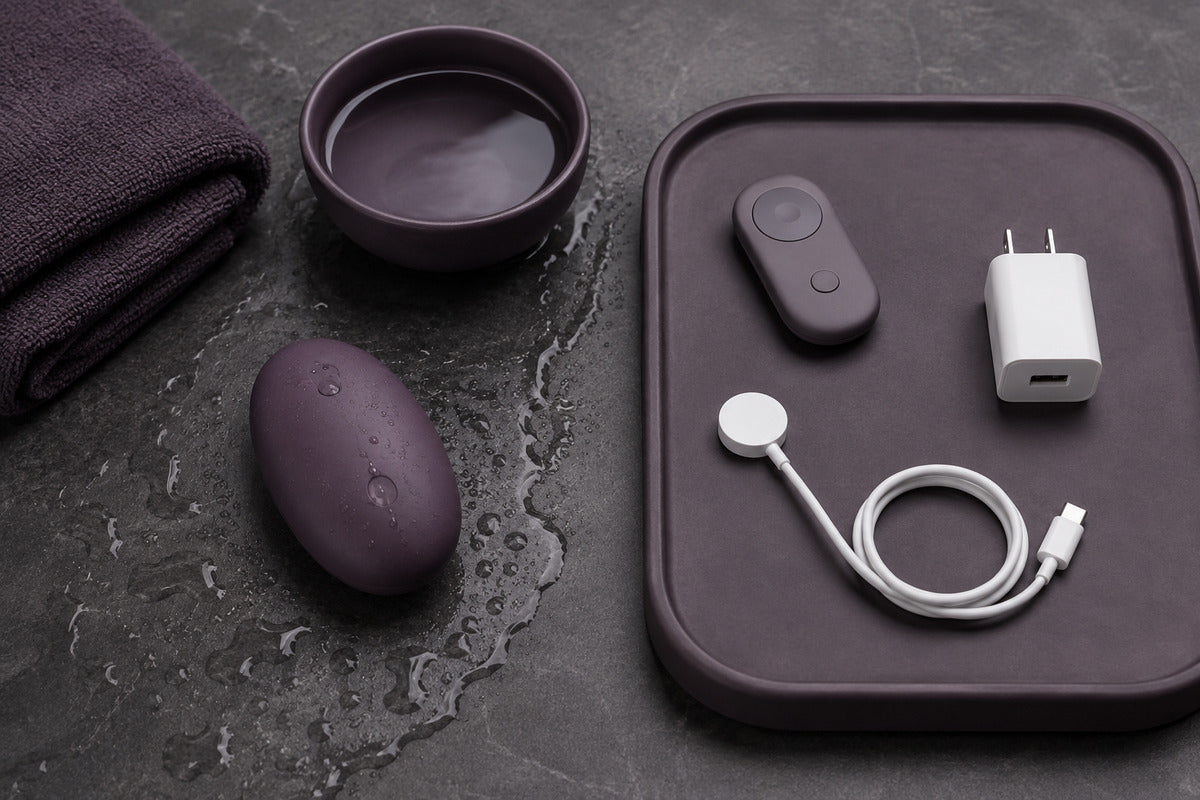
Keep charging equipment away from water and disconnect it before any permitted cleaning or wet use. Afterward, follow the model's drying instructions, including the charging contacts or port, before reconnecting power. Do not interpret water resistance as permission to charge a wet device.
Water Resistance Is Only One Part of Cleaning
An IP rating does not identify a compatible soap, cleaner or lubricant. It does not establish that the surface can tolerate boiling, alcohol, bleach or a dishwasher. Follow the exact cleaning method and drying routine in the manufacturer's instructions, including separate directions for removable parts.
Our cleaning and maintenance guide explains the wider routine of cleaning, drying, checking condition and storage. Keep that information with the manual so that water exposure and chemical compatibility remain separate checks.
What If the Listing and Manual Disagree?
Pause before the disputed exposure. Keep within the stricter instruction and ask the seller or manufacturer to reconcile the information for the exact model. A general collection description should not override a more restrictive statement in the model's manual.
A useful support question is: “Does the stated water rating apply only to the main device, and which rinsing, shower, immersion, drying and charging conditions are permitted for this model?” Include the product name and the conflicting wording. Save the answer with your purchase information.
Before Water Exposure, Check These Six Details
- Identify the exact model and its complete rating.
- Define the exposure you are considering.
- Find explicit permission and any limits in the instructions.
- Check the required closures, assembled state and condition.
- Review every accessory and the drying and charging steps separately.
- Resolve missing or conflicting information before proceeding.
The useful comparison is specific: water jets, immersion, model limits and accessory care. Use those details alongside the other questions in our first-vibrator guide, and review current information when browsing the collection.